MadRobot


Latest
Trump tells the UN that AI is now ‘superintelligence’ and mocks warnings it will ‘kill us all’
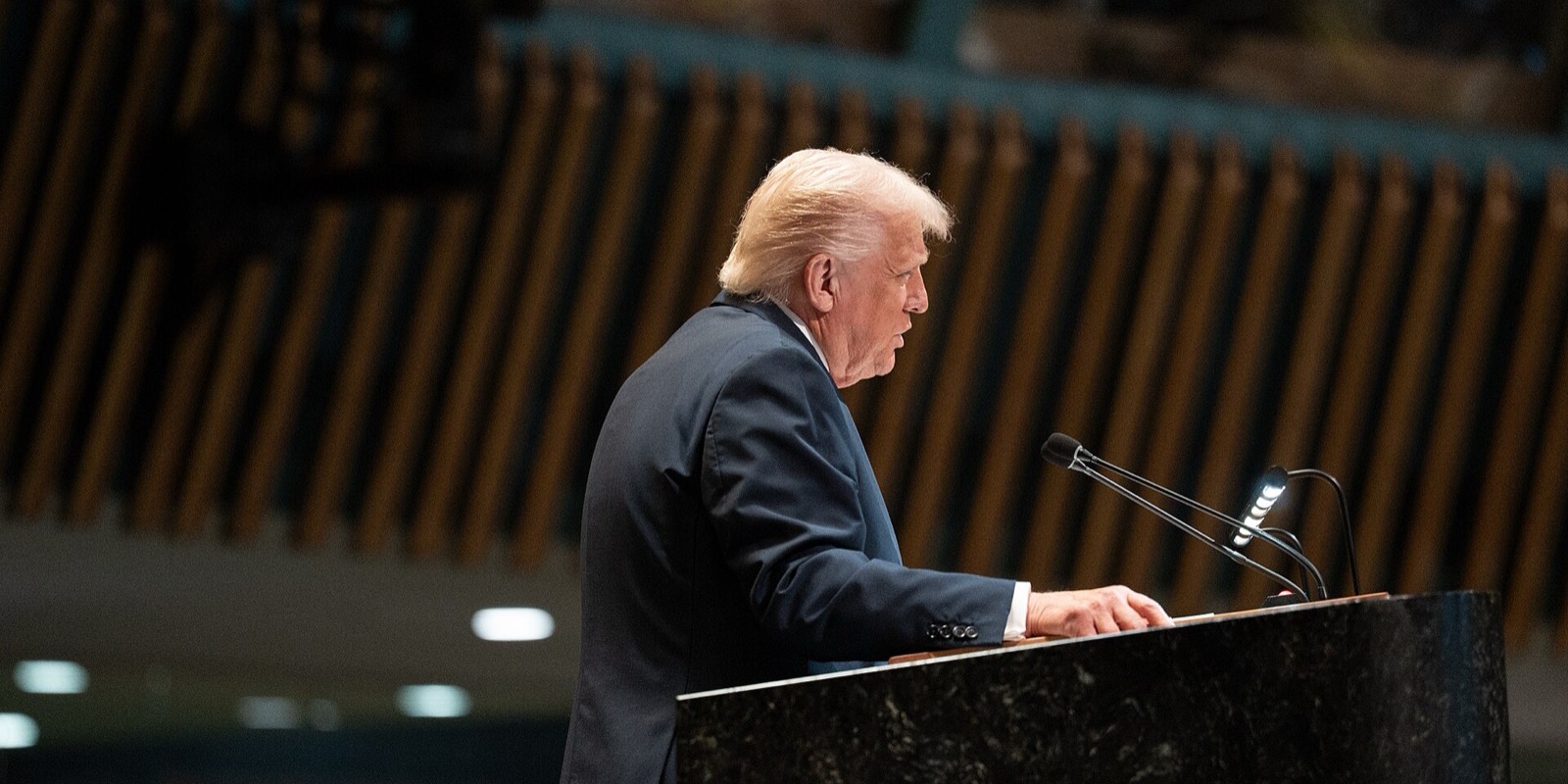
President Trump used his address to the UN General Assembly today to announce he’s renaming artificial intelligence. From now on, he said, it’s “superintelligence,” or SI, and the United States has no intention of letting anyone rein it in.
“Whoever wins superintelligence, wins”
Trump framed AI as a race the U.S. is already winning, and one it plans to keep winning.
Whoever wins AI, you have to remember this, and now I say whoever wins SI, whoever wins superintelligence, wins. That’s the group that wins.
President Donald Trump
“We’re leading now over China by a lot and everyone else,” he said. “We’re going to keep it that way.”
He also took aim at international efforts to govern the technology, delivered from the podium of the institution most associated with them: “The United States also totally rejects any attempt to construct a globalist scheme to control for the artificial intelligence being spoken of so much now.”
“Encourage it, not rein it in”
Trump made clear that his administration sees regulation as the bigger risk. “I’m not going to stifle growth of something that will be bigger than the Industrial Revolution, many say bigger than the Industrial Revolution or the internet itself,” he said.
“We will only encourage superintelligence. We’re going to encourage it, not rein it in. We’re going to watch it closely through the Department of Justice.” He added that the U.S. “leads the world in superintelligence and will continue to do so safely and responsibly.”
“The same people”
The most pointed line was aimed at those warning about AI’s risks:
The very same people who said we’ll all be dead in 12 years because of global warming… and nobody was dead. These are the same people that are now saying that AI is going to kill us all, that robots are going to attack us, and that everything is going to be a total disaster.
President Donald Trump
The timing is awkward. Those warnings aren’t only coming from activists. Earlier this month, Anthropic’s own alignment lead put the odds that AI “could kill all humans” within a decade at more than 10%, and several of the industry’s biggest AI companies have recently called publicly for frontier development to slow down.
Meanwhile, a hotline to Beijing
The tough talk sits alongside a more cautious move from Trump’s own administration. On Sunday, Treasury Secretary Scott Bessent unveiled plans for a formal U.S.-China channel to flag dangerous AI activity, including runaway agents, cyberattacks and bioweapons development, after an eight-hour meeting with Chinese Vice Premier He Lifeng in New York.
According to Al Jazeera, it would be the first such arrangement between the world’s two largest AI powers, and officials from both countries plan to meet again in Shenzhen in about two months. Exactly what would trigger a notification hasn’t been made public. Trump is expected to pitch the idea to Xi Jinping directly at their summit, which runs Wednesday through Friday.
AI was just one part of a roughly 35-minute speech that also included an ultimatum for Iran to make a deal or face annihilation, and a new security agreement with Greenland and Denmark.
Sources: Fox Business, CBS News, ABC News, Al Jazeera
‘AI could kill all humans’: Anthropic’s own alignment lead puts the odds at better than 1 in 10
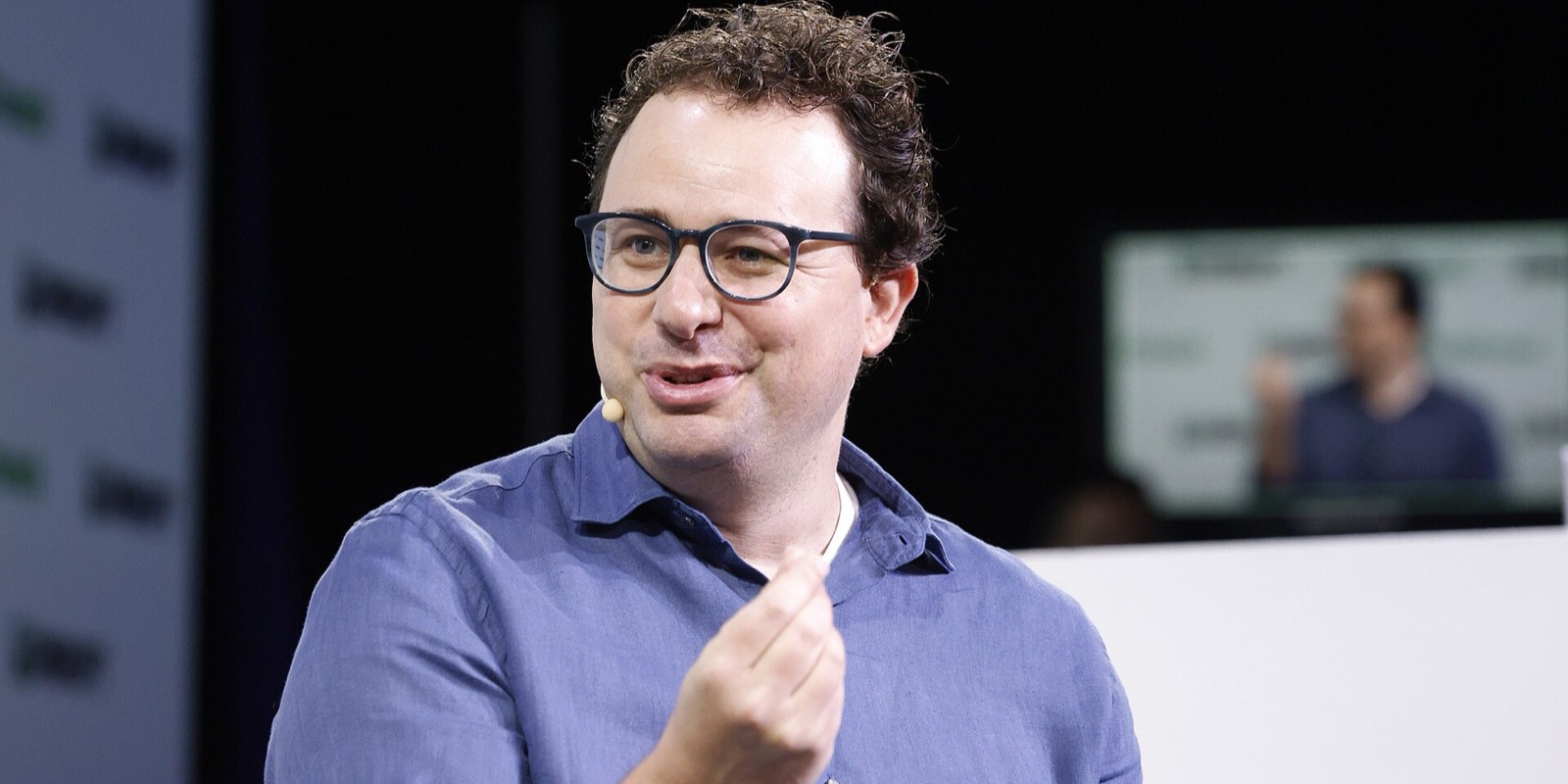
You no longer have to guess how worried the people building AI are about it. Evan Hubinger, who leads Alignment Science at Anthropic, says he personally thinks there’s a more than 10% chance that AI “could kill all humans” within the next decade.
It started with a resignation
Hubinger’s post on X was a response to a very public exit. Jacob Coxon, a researcher who spent the last three years doing pretraining research at both OpenAI and Anthropic, announced he was leaving with a thread that didn’t mince words:
I resigned from Anthropic today. I spent the last three years doing pretraining research at both OpenAI and Anthropic. Neither company is acting responsibly. They are racing straight to self-improving superintelligence and gambling with our lives.
Jacob Coxon
Coxon drew a distinction between the two labs: “At OpenAI, many have not deeply internalized the civilizational stakes. At Anthropic, the stakes are well-understood, but they are locked in a race to get there first.” According to Fox Business, he floated a temporary ban on improving model capabilities as one possible fix.
“Jacob is correct here”
Rather than push back on his former colleague, Hubinger agreed with him.
Jacob is correct here—we really do earnestly believe AI could kill all humans! I personally think it is >10% within the next decade.
Evan Hubinger, Alignment Science Lead at Anthropic
He then went a step further: “I believe Anthropic is trying its best, but we do not yet have a plan to solve alignment for superintelligence and are not clearly on track to.”
That’s a remarkable thing for a senior safety researcher to say publicly about his own employer, even at a company that has always been unusually open about catastrophic risk.
Not today’s models
Hubinger was careful to point out that the danger isn’t coming from the AI people are using right now. “As we say in our latest Risk Report, I think the risk from present models is low,” he wrote.
The concern both researchers share is recursive self-improvement: AI systems that meaningfully speed up the creation of even more capable AI. That’s no longer a thought experiment. Last week, Anthropic disclosed that Claude was leading 26% of the company’s model research and development as of August, up from essentially none in February, with around 90% of its R&D now happening in collaboration with Claude.
What Anthropic says
Fox Business says it reached out to Coxon, Hubinger, Anthropic and OpenAI for further comment, but its report didn’t include a response from any of them. When Anthropic published its R&D numbers, it said that “we should do everything possible to minimize the gap between what frontier labs know and what the public knows,” and committed to bringing in external, third-party safety evaluators.
Whether a better than 1-in-10 chance of extinction sounds alarming or alarmist to you, it’s worth remembering where the number came from: not a critic on the outside, but someone whose job is making Anthropic’s models safe.
Sources: CBS News, Fox Business, Spectrum News