
Chips

Nvidia, AMD, Intel, TSMC and the data centers that power AI.

Google hires Jeff Bezos’ biggest rocket to put its AI data centre satellites in orbit
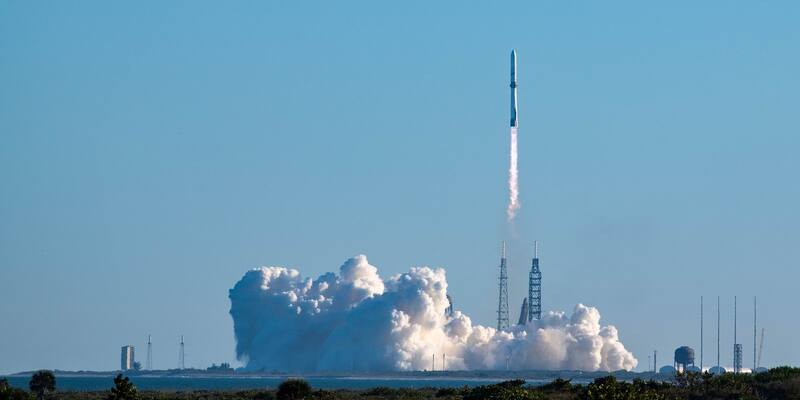
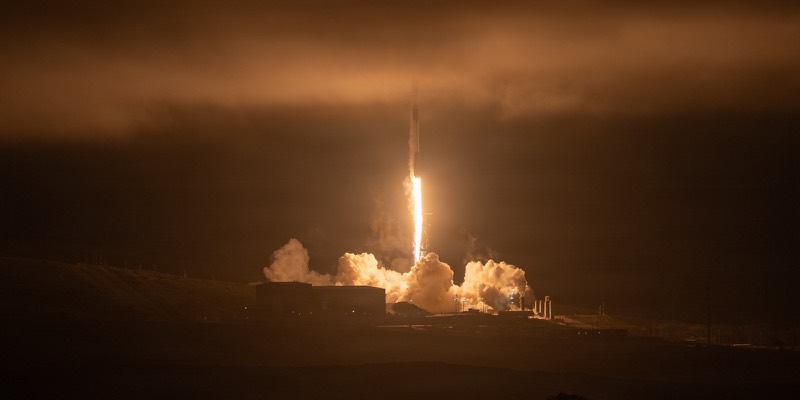
Google has booked New Glenn, the heavy-lift rocket from Jeff Bezos’ Blue Origin, to launch the first full-size satellites for Project Suncatcher, its plan to run AI chips in orbit on solar power. The launch is targeted for the first quarter of 2029, Blue Origin said on Thursday, and each satellite will carry roughly a data centre rack’s worth of computing.

Updated Five days after quitting, Jensen Huang says he’d be ‘honored’ to run Nvidia again

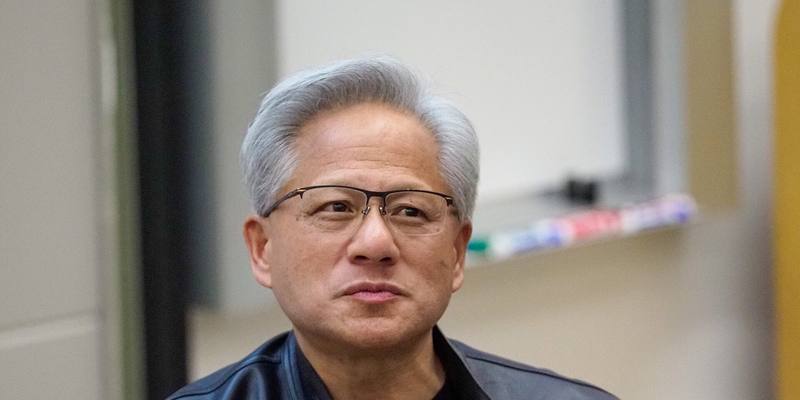
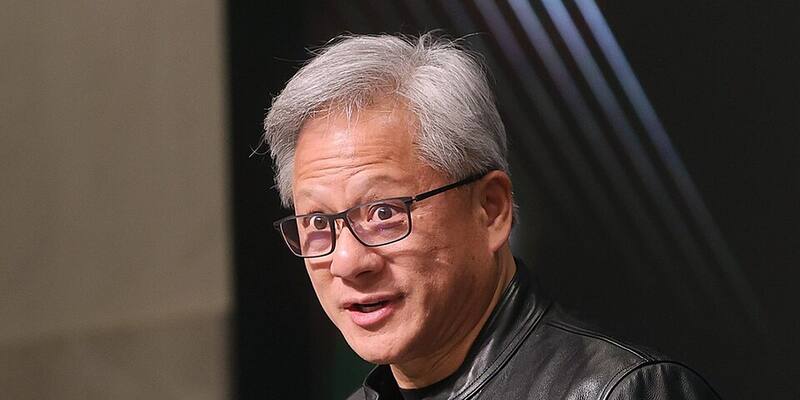
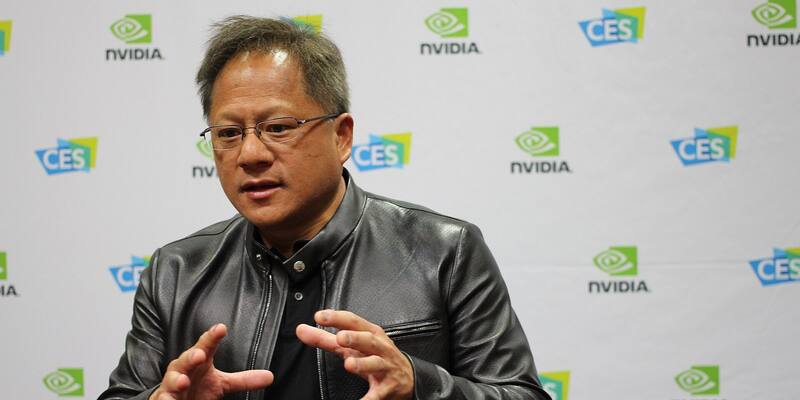
Jensen Huang wants his job back. Five days after resigning as Nvidia’s chief executive, the company’s co-founder said on X on Tuesday that he would be “honored” to return as CEO if the board decides that is in the best interest of shareholders, employees, the company “and America”. They were his first public words since he quit on November 12.

Nvidia’s board takes direct charge of export controls days after Jensen Huang’s exit

Nvidia’s board has set up a standing committee to oversee the chipmaker’s export control compliance and national security policies, less than a week after Jensen Huang resigned as chief executive amid reports about his ties to a suspected Chinese spy. The National Security and Export Control Oversight Committee, announced on Tuesday, will be chaired by director Suzanne Nora Johnson.

The US shuts the cloud loophole that let China rent America’s best AI chips abroad

The US has moved to shut the cloud loophole that let Chinese AI companies rent America’s most powerful chips in other countries’ data centres. A new interim final rule from the Commerce Department requires a licence to ship advanced AI chips to any data centre, anywhere, that would sell large amounts of computing power to Chinese firms.

The US and nine allies sign a pact to guard ‘super intelligence’ supply chains

Ten governments led by the US have agreed on what they must protect together in the race to build AI, from software and know-how to ports and power networks. The San Francisco Declaration, signed on Sunday at a Pax Silica retreat hosted by Under Secretary of State Jacob Helberg, does it in the Trump administration’s new vocabulary, calling the technology “super intelligence” throughout.

Days after its CEO quit, Nvidia is set to be named one of America’s AI ‘national champions’

The Trump administration plans to name more than two dozen American AI companies, among them Nvidia, Amazon, Microsoft, OpenAI and Anthropic, as “national champions” to help them sell abroad and fend off Chinese rivals, the Wall Street Journal reported on Sunday, citing people familiar with the plans. The administration hasn’t confirmed it, and the full list hasn’t been published.

What is sovereign AI? The meaning, the countries spending billions on it, and the catch

Sovereign AI is a country’s ability to build and run artificial intelligence on its own terms: on chips and data centres inside its borders, using its own data and engineers, under its own laws, rather than renting it all from American or Chinese tech giants. Governments from London to Riyadh are now spending billions on it, and the companies selling the kit have made it one of the industry’s favourite phrases.

China’s top AI models carry fingerprints of banned Nvidia chips, an ex-OpenAI researcher says

Six of China’s newest open AI models, from DeepSeek, Moonshot AI, MiniMax and Ant Group, carry a numerical signature of Nvidia’s Blackwell chips, which can’t be exported to China without a US licence, former OpenAI researcher Will DePue says in a forensic report from his nonprofit, Unemployment Labs. He puts the hardware behind the training runs at more than half a billion dollars.

TSMC, the chipmaker AI runs on, will put up to $1 billion into Anthropic and OpenAI

TSMC, the Taiwanese company that makes Nvidia’s AI chips, is buying into the two best-known AI labs that run on them. Its board approved spending up to $500 million on Anthropic shares at the price set in its IPO and up to $500 million on OpenAI preferred stock, according to resolutions it filed with the US Securities and Exchange Commission on Tuesday.

Anthropic says its Mythos AI got Claude running on AMD chips in three days, a job that took months

Anthropic says its most powerful AI model did in about three days a job that used to take its engineers months: getting Claude to run on a new kind of chip. In the company’s IPO roadshow video, co-founder Tom Brown says Claude Mythos got Claude running on AMD’s GPUs “with basically no human intervention”, a claim that goes straight at Nvidia’s biggest advantage.

The US cleared Chinese firms with empty offices to handle Nvidia’s top AI chips, NYT finds

The US Commerce Department cleared Chinese companies to handle Nvidia’s H200 AI chips even though some of them appear to exist mainly on paper, The New York Times reported on Saturday. Its reporters found empty offices at two of the licensed firms and links to blacklisted Chinese companies and to suppliers of the Chinese military.

Updated America voted against AI data centres, from Ohio villages to the Texas governor’s mansion

American voters used Tuesday’s midterm elections to turn against the data centres that power artificial intelligence. By Wednesday, 33 local ballot measures restricting data centres had passed or were leading in counts still under way, Stateline reported, citing the tracker Data Centers on the Ballot. Only one measure, in North Dakota, went the way of the industry’s supporters.

Updated US intelligence thinks a Chinese spy got close to Nvidia boss Jensen Huang, report says

US intelligence agencies believe a Chinese informant built a close relationship with Nvidia chief executive Jensen Huang, The New York Times reported on Thursday, citing unnamed officials briefed on the classified findings. The woman, Alice Huang, also known as Huang Le, is an executive at Megaspeed, a Singapore data centre company already under US scrutiny over Nvidia’s AI chips.

Musk’s AI company is offering to buy its neighbours’ homes, if they promise not to sue

Elon Musk’s AI company is buying up the houses around its noisy power plant in Southaven, Mississippi, as long as the owners agree not to sue. Estate agents working for it have been going door to door in the Colonial Hills neighbourhood, residents told the Guardian, and in a recording the paper heard, one realtor told a homeowner the target is 418 homes.

DeepSeek has reportedly raised $15 billion, days after the US ordered agencies to rip it out

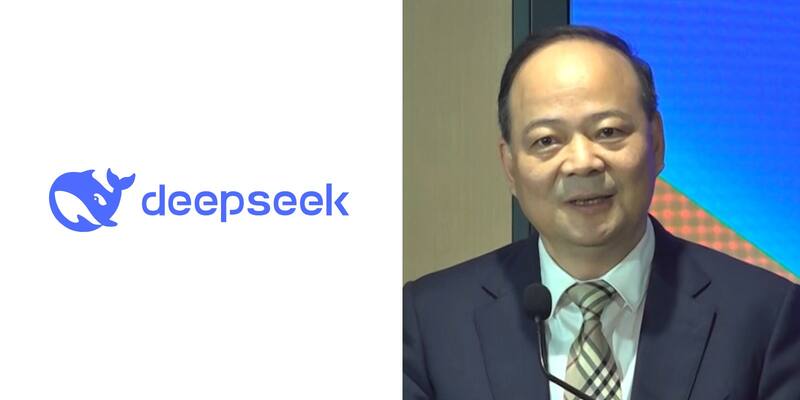
DeepSeek has raised about 100 billion yuan, roughly $15 billion, in one of China’s largest ever private funding rounds, Bloomberg reported on Thursday, citing people familiar with the matter. Tencent and CATL, the world’s biggest maker of electric car batteries, founded and chaired by Robin Zeng, are among the largest investors. DeepSeek hasn’t confirmed the figure and hasn’t commented.

Trump says AI data centres must make their own power and pay towns a ‘dividend’

President Donald Trump says America’s biggest new data centres now have to make their own electricity, and should pay the towns that host them to win them over. In a Truth Social post at 1:37am Eastern time on Wednesday, he wrote that new and large data centres, “in some cases gigantic”, are “mandated by me to make their own electricity, and give or sell any excess back to the local community, or grid”.

Most Americans say AI is bad for society, and 72% don’t want a data centre near them

Most Americans think artificial intelligence is bad for society, and about two-thirds don’t want any more data centres built to power it, according to a new ABC News/Washington Post/Ipsos poll released on Wednesday. It found 57% say AI is bad for society and 42% say it is good, and the pessimists feel it more strongly: 17% call AI “extremely” bad for society, against 2% who say it is extremely good.

Nvidia’s Jensen Huang says the ‘ChatGPT moment’ for robots is almost here

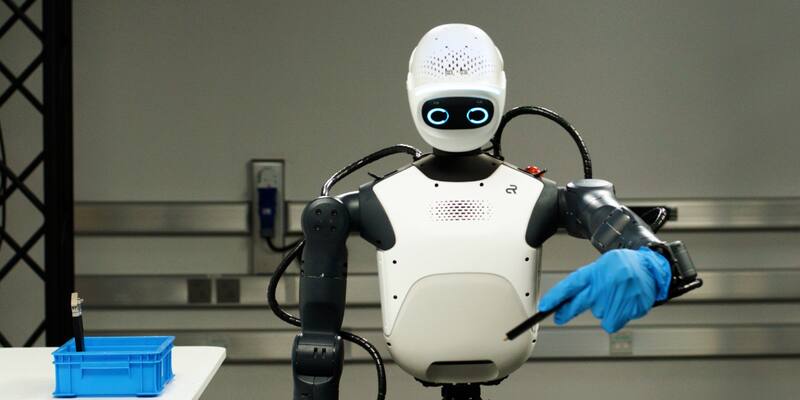
Robots are about to have their big breakthrough, according to Nvidia’s Jensen Huang. “The ChatGPT moment for robotics is fast approaching,” Huang said on Wednesday as Nvidia unveiled a reference humanoid that robot makers and university labs can build on. It led a batch of announcements around his GTC Berlin keynote, alongside AI data centres that ship in containers, a robotaxi deal and new tools for company AI agents.
Google and Meta want PyTorch code written for Nvidia to run on Google’s chips with a one-word change

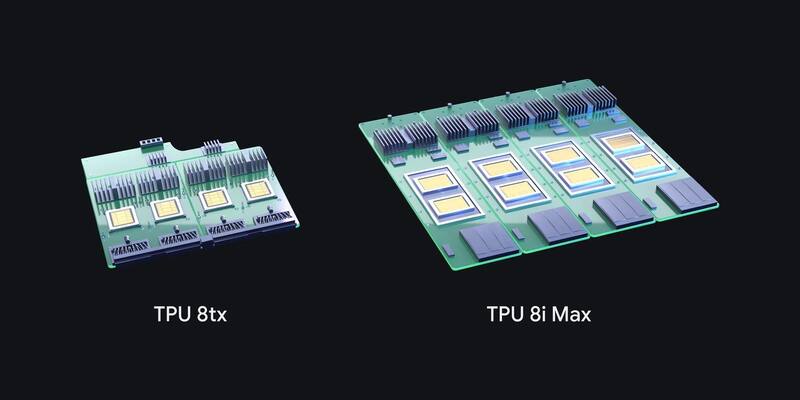
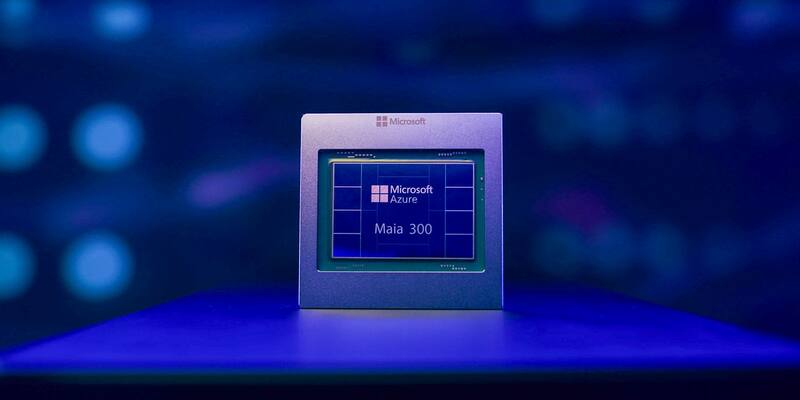
Google wants developers who write AI code for Nvidia chips to be able to run it on Google’s own chips by changing a single word. Google and Meta introduced TorchTPU on Tuesday at the PyTorch Conference in San Jose: an open-source backend that lets PyTorch, the most widely used framework for building AI models, run natively on Google’s Tensor Processing Units (TPUs).

OpenAI has gone quiet on keeping AI chips from China, and Nvidia is the big winner

OpenAI has gone quiet on keeping America’s best AI chips out of China, just as Congress gets ready for its last big fight over the issue this year. Capitol Hill aides and lobbyists told Politico that the ChatGPT maker, which publicly backed tough chip export controls for much of last year, has stepped back from pushing for new restrictions, leaving the field to Nvidia, the chipmaker that wants to sell more of its chips in China.

DeepSeek gives away the engine behind its cheap AI, 18 months after saying it wouldn’t

DeepSeek has released the software that runs its own AI service, 18 months after saying it wouldn’t. The Chinese lab published DeepInfer on GitHub on Tuesday, describing it as “the high-performance inference framework that powers DeepSeek’s large-scale production services”, and it runs on Nvidia’s Blackwell chips and Huawei’s Ascend 950 alike.

Germany’s Merz signs up Nvidia to put AI in the country’s factories

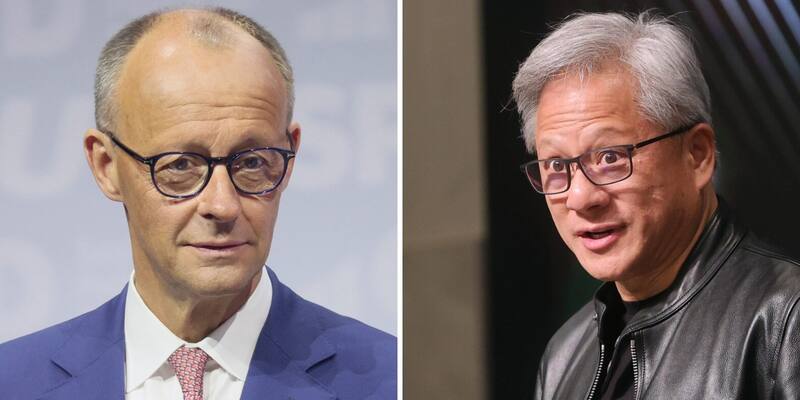
Germany has signed up Nvidia to help build AI models for its factories. On Monday the federal economy and research ministries signed a Joint Declaration of Intent with the chipmaker at the Invest in Germany Summit in Berlin, with Chancellor Friedrich Merz then sitting down on stage with Nvidia’s chief executive, Jensen Huang, to sell the plan to the country’s manufacturers.

Microsoft reportedly walks away from Britain’s biggest AI supercomputer, weeks before Nscale’s IPO

The machine Microsoft billed as Britain’s largest supercomputer has lost its main customer before a single chip was switched on. Microsoft has pulled out of its deal to be the anchor tenant at Nscale’s planned AI data centre in Loughton, Essex, the Telegraph reported on Sunday. Microsoft hasn’t commented, and the paper didn’t say why it walked away.

Updated The AI bubble is starting to crack, and 3 of 9 warning signs are already flashing red

As of November 19, 2026, the AI bubble has not popped, but it is wobbling: the Nasdaq fell into a correction on November 5, Nvidia's shares fell even after record sales, Alphabet's, Amazon's and Meta's free cash flow has turned negative as they spend on data centres, and the International Monetary Fund now names an AI market correction as one of the biggest risks to the global financial system in its October Global Financial Stability Report. What hasn't happened yet is the thing that ends a bubble: the money pouring in has not stopped, and Anthropic's shares opened 34% above their IPO price.

China wants to control exports of any AI model over 2 trillion parameters

China wants a say over which of its most powerful AI models leave the country. Its commerce and science ministries on Friday proposed adding 23 AI technologies to the national list of technologies banned or restricted from export, covering large language models, AI agents, computing clusters and AI chip design, and ordered companies to register any such exports from today.

A new bill in Congress would make AI data centres, not you, pay for the power they need

The tech giants say they pay their fair share for the power their AI data centres use. A new bill in Congress would turn that promise into law. Representative Eugene Vindman, a Virginia Democrat, introduced the Make Data Centers Pay Act on October 13, which would bar utilities from passing any of the extra cost of powering a big data centre on to other customers’ bills.

Nvidia’s $250 million gift to UK AI safety research comes as computing power, not cash

Nvidia is putting $250 million into British research on keeping AI agents safe, but none of it arrives as cash. The chipmaker announced on October 13 a five-year donation of computing power, valued at $50 million a year, for UK research into “agentic safety and security”: making AI systems that act on their own harder to misuse, hijack or lose control of.

Google, Meta, Microsoft and Nvidia promise their AI data centres will stop dropping off the grid

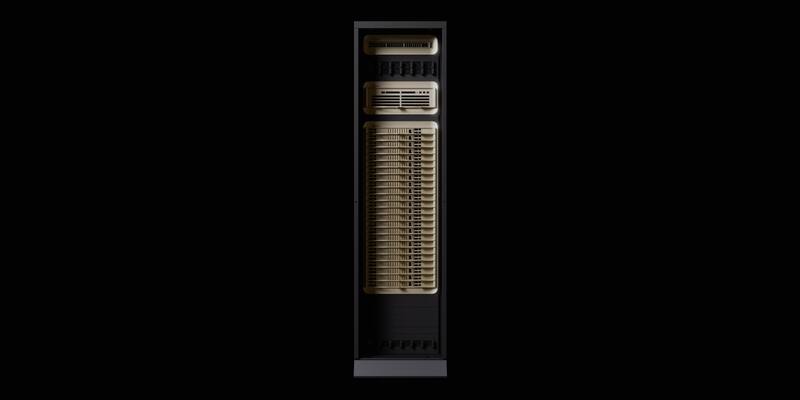
When a fault hits the power grid, a giant AI data centre can vanish from it in an instant, and that sudden loss of demand can push the whole grid off balance. Google, Meta, Microsoft and Nvidia now say their AI computers will stay on the line. The four companies published a grid specification through the Open Compute Project (OCP), the industry group for open data centre designs, as Nvidia opened up its next-generation Vera Rubin rack designs at the OCP Global Summit in San Jose on October 12.

Amazon, Google, Meta and Microsoft won’t pay the full cost of their AI data centres, a Senate probe finds

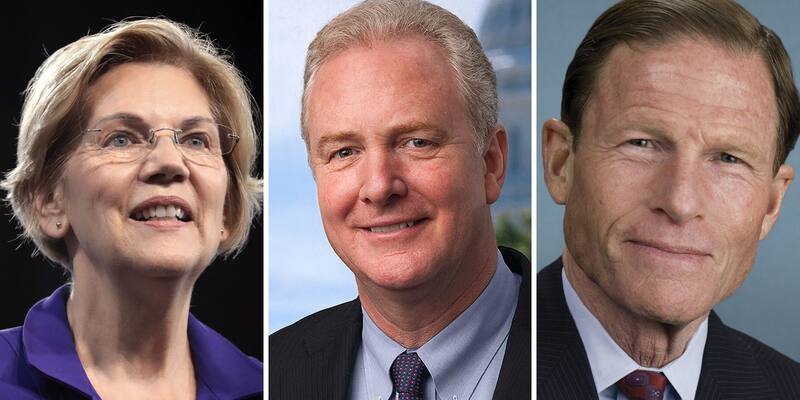
Amazon, Google, Meta and Microsoft say they pay their “fair share” for the power their AI data centres use. A nearly yearlong Senate investigation has found that promise covers far less than it sounds. In a 27-page report, Senators Elizabeth Warren, Chris Van Hollen and Richard Blumenthal say the biggest data centre operators refuse to pay the full cost of the grid upgrades they trigger, keep asking for secrecy deals and will go on seeking tax breaks.

Microsoft is letting Copilot act on the files on your PC, and building a sandbox for AI agents into Windows

Microsoft says Copilot will soon be able to read the files on your Windows PC and take actions for you across the operating system. The company announced the change at a Windows and Surface event in San Francisco on Wednesday, alongside a new sandbox that keeps AI agents fenced in and the first laptops built on Nvidia’s new RTX Spark chip.

Nvidia wants to put a watchdog chip next to every AI agent, and Anthropic and SpaceXAI are on board

Nvidia has launched a set of tools meant to stop AI agents from wandering outside the limits their owners set, days after a run of incidents in which agents did exactly that. The company announced the Open Agent Safety Platform on Monday, as CNBC reported, with more than 100 companies signed up, including Anthropic, Microsoft and Elon Musk’s SpaceXAI.

Free DeepSeek, Kimi and GLM API: how to use them with a free NVIDIA key (and what Brev costs)

NVIDIA lets you use several of China’s best AI models for free, and most people don’t know it. Its API catalog at build.nvidia.com gives you one key for DeepSeek V4.1 Flash, GLM 5.3, GLM 5.3 Flash and Kimi K3, through an OpenAI-compatible API, as a viral post on X pointed out in late September 2026. We checked what’s actually on offer, how to set it up, and what NVIDIA’s small print says, because there’s an important catch: it’s for testing, not for running a real product. For that, NVIDIA points you to paid options, including NVIDIA Brev, its service for renting ready-made GPU machines, which we cover in full below.

Britain’s Nscale just raised $3.36 billion, and a $35 billion IPO is next

One of Britain’s biggest AI bets is heading for Wall Street with a lot of cash in its pocket. Nscale, the London-based company that builds data centres for AI, has raised $3.36 billion ahead of a planned US stock market listing, including $1 billion from Nvidia, the company announced on Friday. TechCrunch reports it’s aiming for a valuation of about $35 billion.

Updated Data centres in space? Google and Elon Musk are racing to put AI in orbit – here’s what that means and whether it can work

Orbital data centres are satellites that run AI in space, powered by near-constant sunlight instead of the electricity grid. The idea has gone from science fiction to a real race in less than a year. Google will launch its first test satellite carrying AI chips on October 1, SpaceX wants permission for up to a million AI satellites, and Elon Musk is predicting that, one day, almost all computing will happen off Earth. Here’s how orbital data centres work, who’s building them, what could go wrong and when, if ever, they’ll matter.

Alibaba unveils what it calls China’s most powerful AI chip – and plans a 10 trillion-parameter model to catch the U.S.

Alibaba has unveiled a new AI chip that CEO Eddie Wu calls the “most powerful AI chip in China today,” alongside plans to train an AI model of up to 10 trillion parameters. The announcements, made at the company’s annual Apsara conference in Hangzhou, land just days before Chinese leader Xi Jinping meets President Trump in Washington, where the race to lead in AI is expected to be a major theme.

AI is eating the power grid – and on both sides of the Atlantic, you’re the one picking up the bill

Last Thursday, the U.S. Department of Energy handed the operator of America’s largest power grid emergency authority to “direct backup generation resources to operate as a last resort” before rolling blackouts across 13 states and Washington, D.C. It was the latest in a string of such orders this year. In Europe, meanwhile, a new data centre in Frankfurt or Amsterdam can wait the better part of a decade just to be plugged in. This is what the AI boom looks like from the grid’s side, and it’s not pretty.

“0% chance”: Nvidia’s Jensen Huang says AI won’t end the world and calls extinction warnings “irresponsible”

Nvidia CEO Jensen Huang has a message for the AI researchers warning that the technology could wipe out humanity within a few years: calm down. In an interview with CBS News, the head of the world’s most valuable company dismissed those warnings as “doomsday narratives” that are “not grounded in science.”