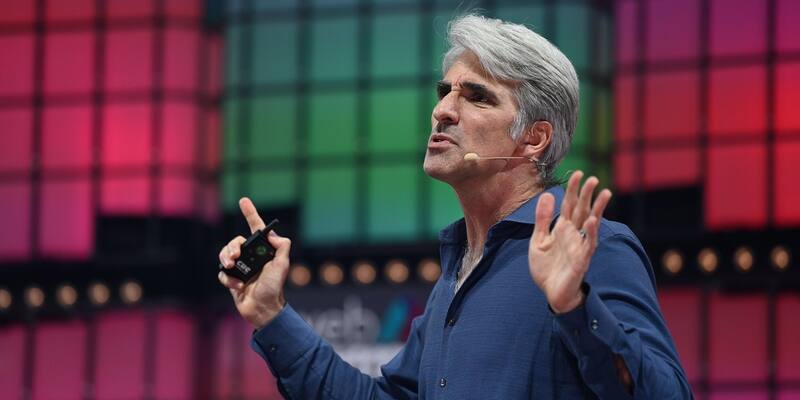


Meredith Whittaker, president of Signal, speaking at re:publica in Berlin in 2023. Image: Kritzolina / Wikimedia Commons, CC BY-SA 4.0, cropped

Signal is blocking screenshots inside its app on iPhone and Android to stop Apple’s Siri AI and Google’s Gemini from reading your private chats. Meredith Whittaker, Signal’s president, announced the change on Friday, calling AI agents built into phone operating systems “an existential threat to Signal”, and admitted the fix is incomplete: it cannot protect chats on a Mac.
What Signal is changing
Signal says it is restricting “agentic systems built into iOS 27 and on Android versions where we can detect an AI assistant attempting to read your Signal screen.” On iPhones running iOS 27, screenshots are now blocked inside the app by default. Android Authority reports the switch appears in Signal’s settings as a new Block Siri AI option.
Android works differently. Many phone makers’ versions of Android give Signal no reliable way to tell when a screenshot was attempted, so rather than have screenshots “simply stop working, confusing users”, Signal watches for an AI assistant trying to read the screen and then switches on its existing Screen security setting automatically.
Anyone who wants screenshots back can turn the protection off in Signal’s settings. Signal warns that doing so will “potentially expose your (and your contacts’) Signal content to these AI agents, and break our privacy guarantees.”
It is the second time Signal has pulled this trick. In 2025 it blocked screenshots by default on Windows 11 to keep Microsoft’s Recall, which snaps the screen every few seconds and stores the text in a searchable database, from keeping copies of Signal messages, disappearing ones included.
“An existential threat to Signal”
Whittaker names the two features behind the move: Gemini Intelligence on Android and Siri AI’s Onscreen Awareness on iOS. Both scan what is on your screen so they can answer questions and act for you, which means Signal messages are captured and made available to “whatever local database or remote server an OS-level AI agent is using at that moment.”
That, she argues, undercuts more than a decade of work on Signal’s open source code and its encryption protocol, which Google DeepMind’s AI helped formally verify this month. Apple, Google and Microsoft, she writes, set the conditions every app has to live in:
Right now, these agentic AI integrations are changing this environment in a way that’s making it increasingly hostile to privacy. This is an existential threat to Signal, and our ability to responsibly uphold our mission.
Meredith Whittaker, president of Signal
What Signal still can’t block
Whittaker lists the gaps herself. On the Mac, Signal cannot reliably block screenshots at all: the tools Apple offers either have been deprecated or only protect streaming video and other DRM content. Signal’s only advice for macOS 27 users is to add Signal to Excluded Apps under System Settings › Siri. The same list exists on the iPhone, and the EFF has pushed people to use it since it arrived in iOS 27.2 (our guide to turning off Apple Intelligence shows where it is).
The Mac gap is growing more pressing: Google’s Gemini app can now operate other Mac apps for you. Android coverage is also patchy across phone makers, and blocking screenshots does nothing about “more sneaky ways” agents could get at messages, such as reading content already stored on the phone through the filesystem.
Third-party agents worry Signal too. Whittaker singles out Meta’s Muse, which asks for deep permissions during setup, saying accessibility settings meant to help people use their apps are being turned into “a skeleton key” for AI agents. Canada’s biggest bank, RBC, locked Muse and other agents out of online banking last month for similar reasons.
What Signal wants from Apple, Google and Microsoft
Signal says it has spent months on “forensic investigations” across Android and iOS just to work out what these agents do with app data. It is asking the three operating system makers for two things: a simple, documented way for any app to opt out of AI data access, covering screen reading, the filesystem, notifications and other system frameworks, and proper documentation of how the agents handle data. Confidential computing approaches, it says, “are not a complete solution”.
Signal says it is “cautiously optimistic” about talks with Google and Apple. Apple is pushing the other way at the same time, opening Siri AI to every app and hiring engineers to build its own AI agent. Her closing line:
Signal is the canary in the coal mine, but this affects the entire ecosystem and should galvanize anyone who cares about these fundamental rights.
Meredith Whittaker, president of Signal
Why it matters
The world’s best-known private messenger is now openly fighting the AI agents Apple and Google are building into their phones, and says it can only hold them off with workarounds. If Signal cannot keep agents out of its chats, banking, health and work apps holding sensitive data face the same problem.
Sources: Signal blog (Meredith Whittaker, Nov 20, 2026); Signal blog on Microsoft Recall (2025); Apple Newsroom; EFF; Android Authority.
Latest Apple news